Cargo Platform
Product Description
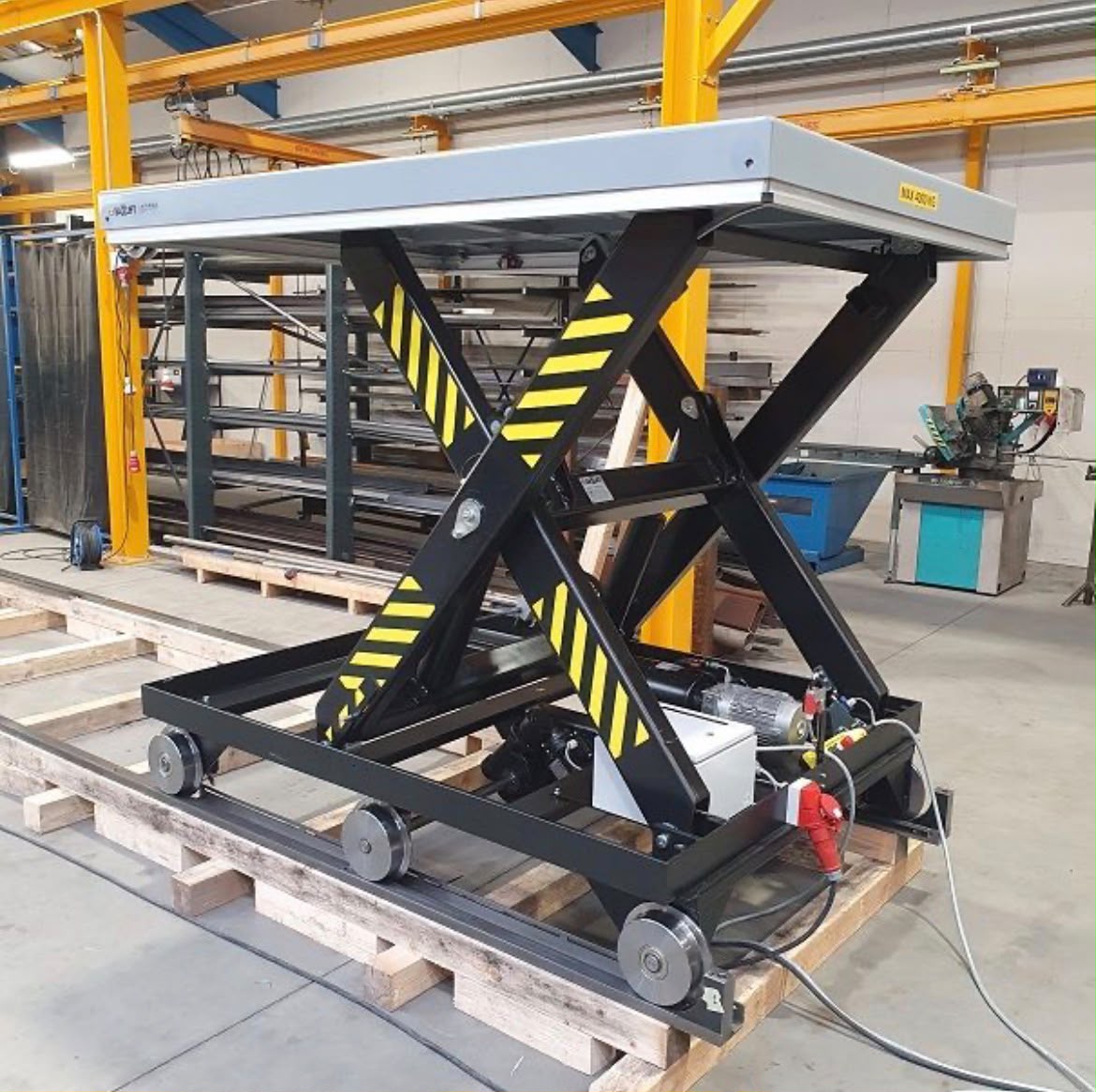
Freight platforms are lifting equipment designed to transport loads and goods, with a maximum load capacity limited to 10,000 kg. Although they fall within the general category of lifts, their definition and characteristics classify them as lifting equipment.
For inspection and certification purposes, they are defined under the “Machinery Directive.”
In addition to being specifically designed to carry loads or goods, freight platforms differ from elevators in the following respects:
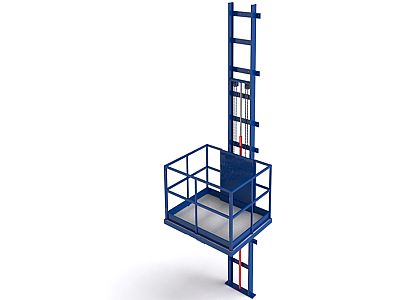
• They do not have an enclosed cabin. Guardrails must be installed around the platform.
• There are no controls on the platform. Control buttons must be permanently installed at the landings.
• They must not carry people.
• They are designed exclusively for transporting loads.
• Their operating speed is below 0.15 m/s.
These are some of the key distinctions.
Safety precautions are another important consideration for freight platforms. Their operating areas must comply with occupational health and safety requirements.
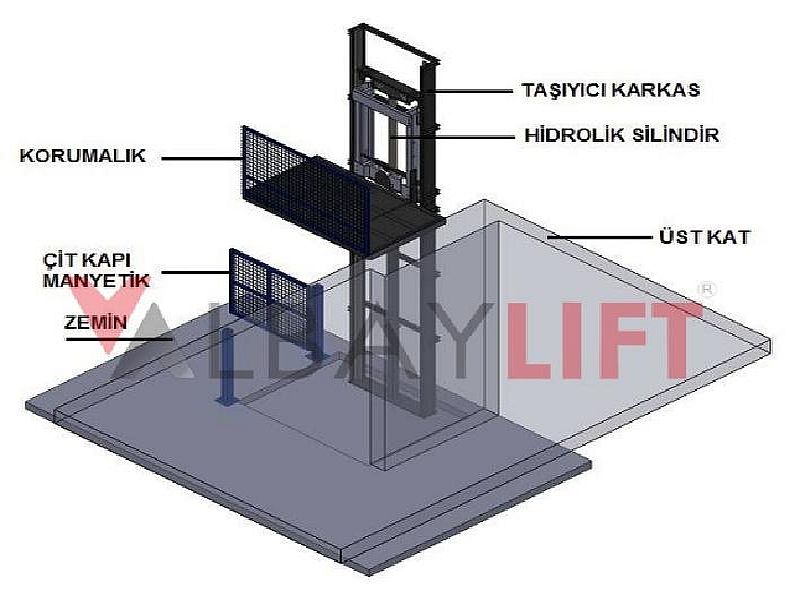
• Platform guardrails must be at least 110 cm high.
• To prevent people or other living beings from entering the platform’s operating area and creating a hazard, the surrounding area must be protected by barriers at least 120 cm high, such as walls, sheet metal panels or fencing.
• Installing gates on the platform is strictly prohibited. Hinged gates may cause trapping hazards and accidents if they become detached from their latches or hinges. Where an access opening is essential, removable guardrail sections are used.
• The emergency stop must be engaged while unloading goods from the platform.
• An audible warning is not required if the platform’s operating area is enclosed and protective measures prevent people, animals or objects from entering while it is running. However, an audible warning is required if operating conditions require the platform to work in an open area.
• Platforms must display operating instructions and warning signs. These must include information such as load capacity and lifting height, as well as warnings prohibiting people from riding on the platform.
• Every freight platform must have an identification plate displaying information such as its year of manufacture, load capacity, travel distance, number of hydraulic cylinders and motor power.
• Platform controls must use one of two operating modes: momentary push-button operation or hold-to-run operation. The appropriate mode is determined by the load being transported and the operating conditions.
Key Features
- High-strength steel construction body
- Safety locks in compliance with CE and TSE standards
- Precise hydraulic valve control and quiet operation
- Manual lowering valve in case of power failure